WELCOME BULLDOGS! BE ROSSVILLE.
MR. KERNEA AND MR. HAWKINS WELCOME YOU TO THE NEW ROSSVILLE MIDDLE SCHOOL AND THE 6.1 EARTH SCIENCE DEPARTMENT.

COMING SOON TO AN EARTH SCIENCE CLASS
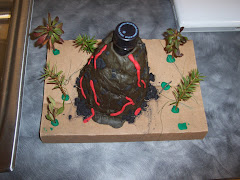
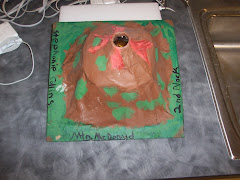
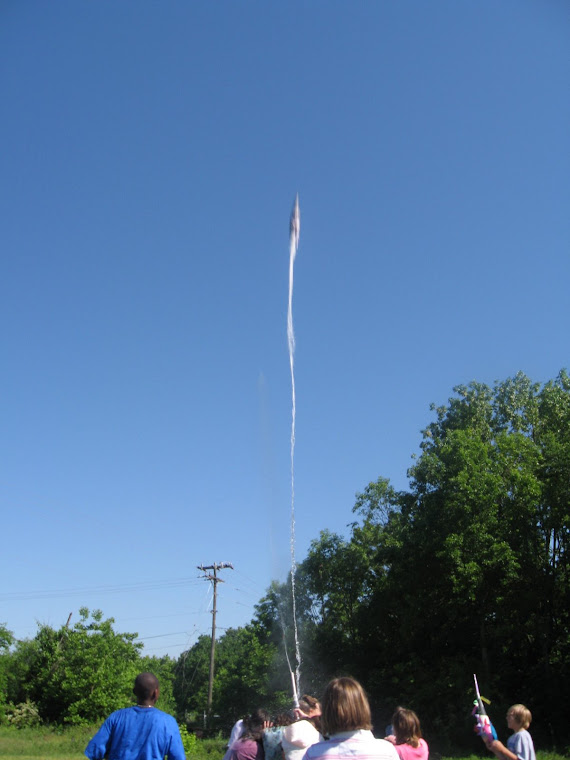
1.YOU CAN EXPECT TO HATCH A FEW THOUSAND BRINE SHRIMP EGGS. 2. YOU WILL GET VERY WET AFTER YOU BUILD AND LAUNCH YOUR OWN WATER ROCKET. 3. YOU WILL GROW SALT AND SUGAR CRYSTALS. 4. YOU WILL BUILD YOUR OWN VOLCANO AND WATCH IT ERUPT. 5. TOGETHER WE WILL LAUNCH A ROCKET WITH A DIGITAL CAMERA ONBOARD TO TAKE THE FIRST EVER AERIAL PHOTOS OF RMS.
BRINE SHRIMP EGG EXPERIMENT
HYPOTHESIS: The amount of salt in the hatcheries will affect the hatch rate of the eggs after 24 hours.
PROCEDURE: Each class will set up 4 hatcheries with the exact same variables except for the amount of salt in the water. Hatcheries will contain the following amounts of sea salt:
1. no salt (the control)
2. 1 teaspoon
3. 5 teaspoons
4. 9 teaspoons
The hatcheries will sit over night to allow the chlorine to dissipate before the eggs are added.
Then, after 24 hours students will count the hatched shrimp and compare the numbers in each hatchery. Experiment results will be published here and in each student's Science Journal.
PROCEDURE: Each class will set up 4 hatcheries with the exact same variables except for the amount of salt in the water. Hatcheries will contain the following amounts of sea salt:
1. no salt (the control)
2. 1 teaspoon
3. 5 teaspoons
4. 9 teaspoons
The hatcheries will sit over night to allow the chlorine to dissipate before the eggs are added.
Then, after 24 hours students will count the hatched shrimp and compare the numbers in each hatchery. Experiment results will be published here and in each student's Science Journal.


Meteorologist Brian Smith

On February 12th, Brian Smith (Channel 12 Meteorologist) was at school and spoke to the entire 6th grade class about severe weather. If you missed the TV broadcast you can still see the video. Just click on the above picture to be taken to WDEF's Weather in the Classroom website.


Subscribe to:
Posts (Atom)